How Should an NGO Budget for Animation? A Practical Breakdown
Animation is one of those things that feels like the right call long before anyone has figured out what it costs. You've got the campaign, the message, and you know you want something visual that can travel. Then someone asks what number to put in the budget, and the conversation stalls.
Getting to a real figure is more straightforward than it might seem, once you understand what actually moves the cost. Animation budgeting comes down to a few key variables, and they’re all worth knowing before you start filling in a budget line.
This article walks through each of those variables and how they fit together for an NGO campaign. If you haven’t yet defined what your campaign needs to say, start with NGO Storytelling: What It Is and Why It Works.
Understand the Cost Behind
3 things drive what an NGO animation project costs, and understanding them makes the budgeting process a lot more predictable.
Production Complexity
Animation covers three distinct production styles, each with its own cost structure.
Motion graphics and illustration: typography- and illustration-led, built for clarity. It works well for explainers, policy pieces, and donor-facing impact summaries, and is generally the most cost-efficient of the three tiers.
Character-led narrative: hand-drawn or stylised characters carrying the story, built for warmth and emotional connection. Best for campaign launches and story-driven explainers.
High storytelling and cinematic: characters, environments, 3D, stop-motion, or live-action hybrids, often with original music. Built for hero films, anniversaries, and fundraising tentpole pieces.
Characters, environments, and original scoring all add production time. That’s why two videos of the same length can cost very differently depending on which tier they sit in.
ROUGE works across motion graphics, 2D animation, 3D animation, VFX and more, so the format can be matched to what the campaign actually needs.
Video Length
Cost scales with length, though not proportionally. Scriptwriting and creative direction are typically bundled into the per-piece price regardless of runtime, so a short piece carries some of the same fixed costs as a longer one.
Short social cutdowns are worth planning for, because they reuse animation already produced for a longer piece, making them meaningfully cheaper than commissioning each one separately. A campaign built around one core piece and a handful of cutdowns will almost always cost less per output than several stand-alone pieces.
Timeline
A single, clearly scoped piece moves through fixed production milestones in sequence, from script and storyboard through animation, sound, and final delivery. But if your campaign timeline is still moving, or you need content released across several months, an hours-based credit package can be a better fit. You buy a block of production time rather than one deliverable, and use it flexibly as the campaign unfolds.
Applying for funding? We can help with the story. ✍️
If you're an impact organisation writing a grant proposal, our free tool builds the storytelling section for you. It helps you work out who you're trying to move, what you need them to feel, and the right animation style to get there, plus a costed budget, in about 10 minutes.
How to Do Budgeting
Understanding those drivers makes the budgeting process much more manageable. The approach below tends to make the biggest difference.
Break the budget down by role and hour. A budget separated into scriptwriting, illustration, animation, audio, and voiceover hours gives you something you can check and justify line by line.
Plan cutdowns into the brief from the start. Building two or three short versions into the same brief as your main piece is cheaper than commissioning them later, on their own.
Consider a credit package for sustained content needs. If you have ongoing output across a campaign period, buying a block of production time is typically more cost-effective than commissioning piece by piece.
Ask about nonprofit-specific discounts. Many studios working primarily with NGOs offer reduced rates for registered nonprofits. It’s worth asking about this before you finalise a number.
The best way to see how these decisions play out in practice is to look at real work.
Stories We Tell
At ROUGE Collective, every project is shaped by what the campaign actually needs to achieve. Here are two that show the range of what that looks like.
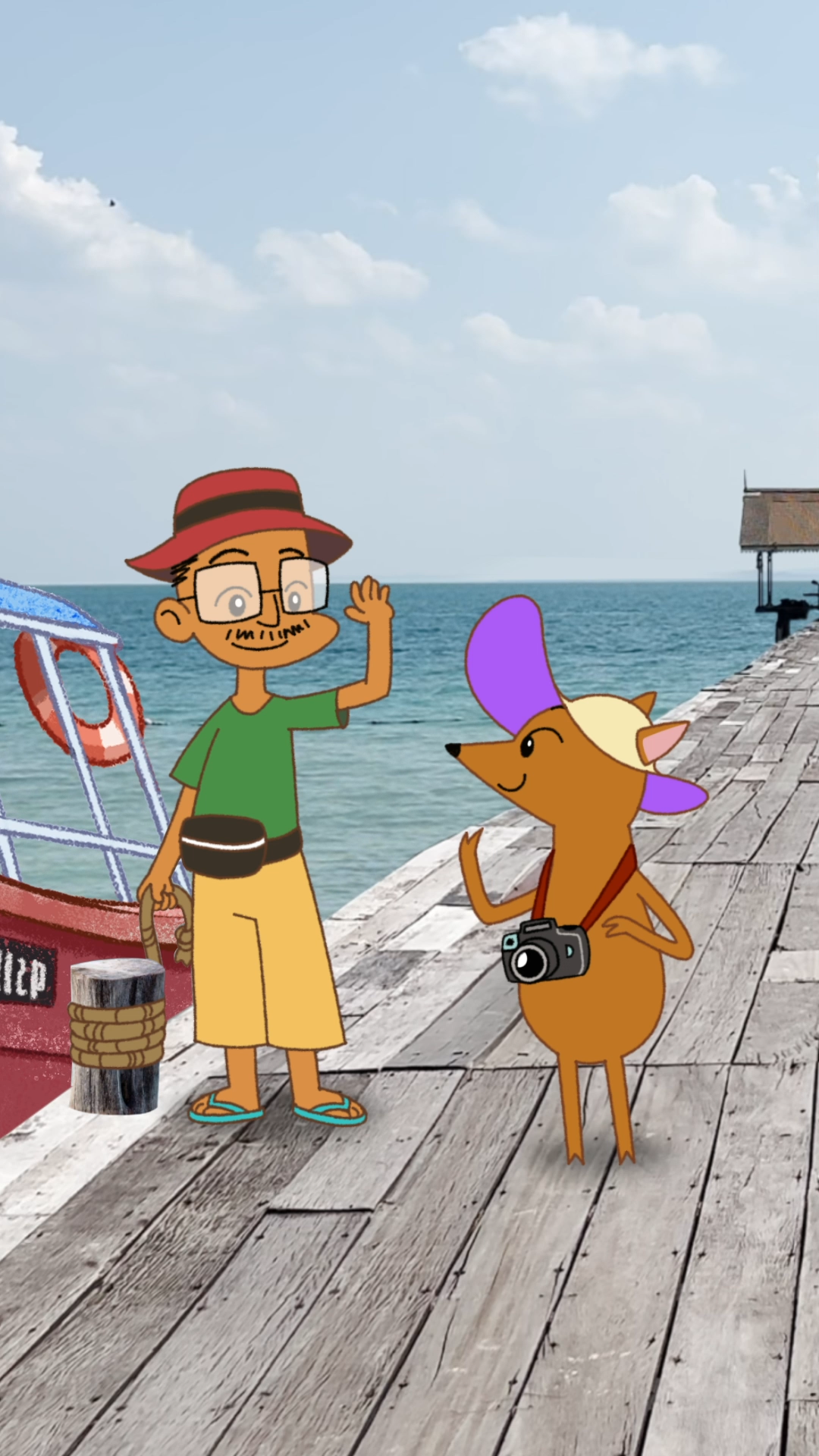
Sang Kancil and Sustainable Tourism, made with The Habitat Foundation, reimagines the beloved Malaysian folk character as the face of a sustainable tourism campaign, a series of short animated pieces that weave behaviour-change messaging into a story audiences already know and love.
Episode 1

Episode 2

Episode 3
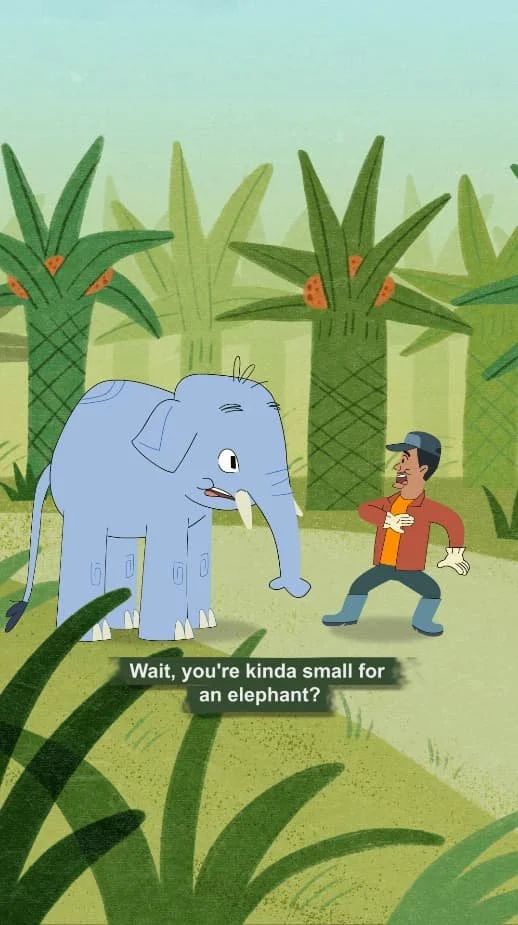
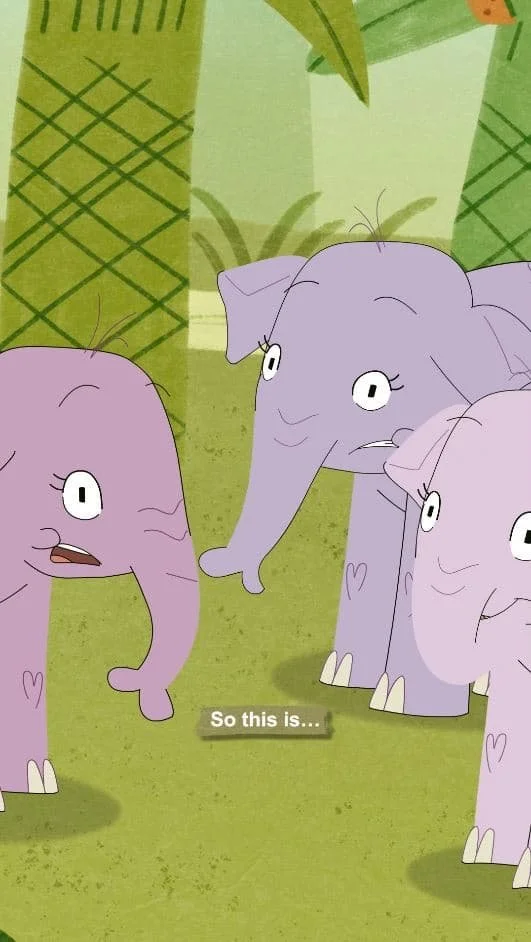
Jalan Arif, made for Seratu Aatai, follows an unlikely friendship between a teenage Bornean elephant and an oil palm worker, built to shift how communities in Sabah understand and relate to the elephants living alongside them.
Episode 1
Episode 2

Episode 3
Start Your Proposal Here
If you've read this far, you probably have a campaign in mind and a budget line that still needs a number in it. The Grant Proposal Maker is where that becomes a real document. Answer a few questions and it builds the storytelling section of your grant proposal from scratch, ready to submit. ROUGE offers a 10% discount for work with NGOs, which you'll find reflected in the Grant Proposal Maker when you run your numbers.
If you'd rather talk through the scope first, book a free 30-minute call and we'll work through it with you.
FAQs
How should an NGO budget for animation?
Start with the Grant Proposal Maker tool. Follow the questions, and it will give you a good sense of what to budget. It helps you pick the right tier, style, and length, and gives you a figure in language ready to paste into your grant or fundraising proposal.
What affects the cost of nonprofit animation most?
Animation style is one of the biggest factors. Motion graphics tend to be the most affordable, followed by 2D character animation, with 3D and cinematic work at the higher end. Length and how many deliverables you're commissioning together also move the number. Cutdowns and credit packages both reduce cost per output compared with commissioning pieces one at a time.
Are there discounts for nonprofits on animation production?
Often, yes. At ROUGE Collective, we offer a 10% discount to registered nonprofits. It's worth asking any studio you work with whether they offer the same before finalising your budget.
How do I get an actual cost estimate for my campaign?
Use a tool built for it rather than estimating from a generic range. The Grant Proposal Maker costs out your specific deliverables in your own currency in about ten minutes, so the number in your proposal reflects your campaign, not an average.